
The average small business wastes 23% of their annual ad budget on preventable PPC mistakes. For a company spending $200,000 yearly on Google Ads campaigns, that’s $46,000 disappearing into clicks that never convert. Most businesses don’t realize they’re bleeding money until they’ve already lost a year’s worth of budget to fixable errors.
Poor PPC advertising management in 2026 costs more than ever. With AI-powered bidding, stricter privacy rules, and rising cost-per-click rates, the margin for error has shrunk. Businesses that treat PPC as “set it and forget it” watch their cost per acquisition climb while competitors dominate search results at half the price.
Here are the seven mistakes draining your budget and the exact fixes that stop the bleeding.
Wrong Bidding Strategy Burns 40% of Daily Budget

Small businesses default to “Maximize Clicks” because it sounds efficient. It’s not. This strategy sends traffic from users who’ll never buy, pushing cost-per-conversion 3-5X higher than necessary. A local HVAC company spent $8,000 monthly on clicks from users searching “HVAC salary” and “HVAC school”—zero purchase intent.
The fix: Switch to Target CPA or Target ROAS bidding after collecting 30+ conversions. Feed Google’s algorithm actual conversion data, not vanity clicks. Track phone calls, form fills, and purchases—then optimize for those actions. This shift typically cuts ad spend waste by 35-40% within the first month.
No Negative Keywords = Paying for Junk Traffic
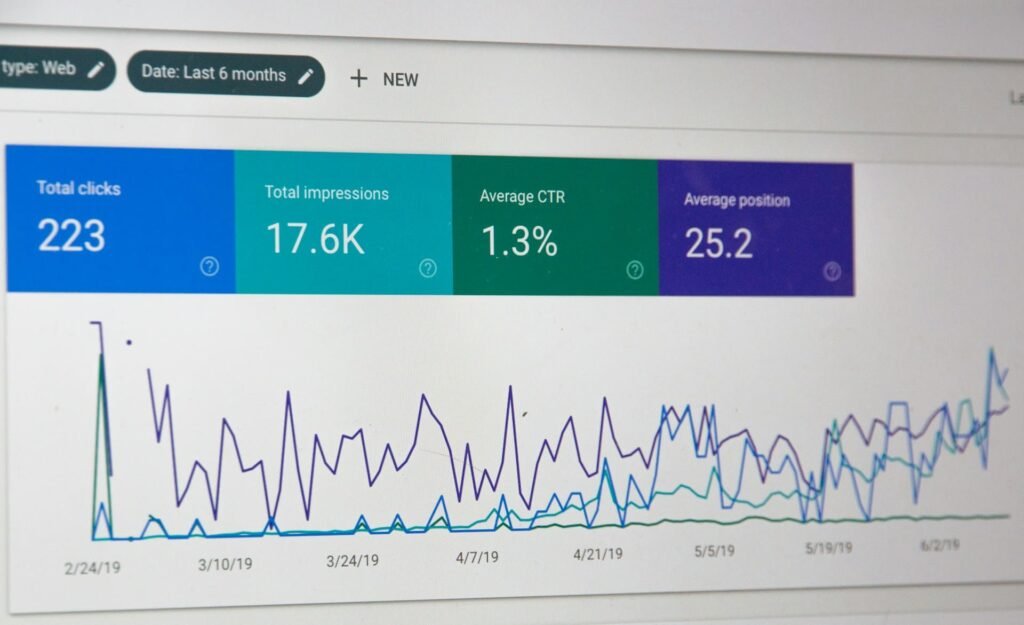
Every dollar spent on irrelevant searches is a dollar stolen from profitable keywords. One e-commerce client was paying $12 per click for “free shipping calculator” when they sold premium furniture—not shipping services. They spent $4,300 before anyone noticed.
Search term reports reveal what triggers your ads. Check these weekly, not quarterly. Add negative keywords for informational queries (“how to,” “what is”), job searches (“[your industry] salary,” “careers”), competitor brand names (unless you’re conquest advertising), and “free,” “cheap,” “DIY” if you’re premium.
A single negative keyword list saves the average account $800-$1,200 monthly.
Ignoring Search Terms Report Costs $15K Annually

Your keywords don’t control what triggers your ads, Google’s match types do. “Broad match” on “business insurance” triggered ads for “business insurance jobs,” “business insurance meaning,” and “business insurance meme.” Each irrelevant click costs the same as a qualified lead.
Effective PPC advertising management requires weekly search term audits. Filter by spend, find the garbage, add negatives. Repeat. This 20-minute task prevents 25-30% of wasted clicks. Skip it for three months and watch $3,000-$5,000 vanish.
Generic Landing Pages Kill 60% of Conversions
Your Google Ads campaigns send users to your homepage, not a dedicated landing page. Conversion rates collapse when visitors land on generic pages with navigation menus, blog links, and vague calls-to-action. A financial services firm sent PPC traffic to their homepage (12 different services, no clear path) and converted at 1.8%. They built dedicated landing pages for each service and jumped to 8.3%.
Match your landing page to your ad promise. One service, one offer, one conversion goal. Remove navigation, add testimonials, emphasize the exact solution mentioned in your ad. This single change doubles conversion rates for most accounts—meaning half the cost per lead overnight.
No Conversion Tracking = Flying Blind
You’re spending $5,000 monthly but can’t prove which keywords drive revenue. Google Ads campaigns show clicks and impressions, but you don’t know if those clicks turned into customers. This forces decisions based on traffic volume instead of actual ROI.
Install conversion tracking for every meaningful action: form submissions, phone calls (use call tracking), purchases, demo requests. Connect Google Ads to your CRM so you can track which keywords generate customers, not just leads. One SaaS company discovered their highest-volume keyword ($18,000 annual spend) produced zero paying customers. They reallocated that budget to lower-volume keywords with 12X better ROI.
Letting AI Bidding Run Without Quality Inputs
Performance Max and Smart Bidding promise hands-free optimization. They deliver garbage results when fed bad data. AI bidding strategies optimize toward whatever conversion actions you’ve defined. If you’re tracking newsletter signups as conversions (not purchases), Google sends you newsletter subscribers, not buyers.
The quality of your PPC performance depends entirely on conversion quality. Assign accurate conversion values. A demo request isn’t worth the same as a $10,000 purchase. Weight your conversions by actual revenue impact, then let AI optimize. Without this step, automated bidding optimizes for the wrong outcomes.
Not Testing Ad Copy Costs 3-5X More Per Lead
You wrote one ad three years ago and never tested alternatives. Your click-through rate sits at 2.1% while competitors hit 6-8% on identical keywords. Every percentage point of CTR improvement lowers your cost-per-click through better Quality Scores.
Run continuous A/B tests on headlines, descriptions, and calls-to-action. Test urgency (“Limited slots available”) against value propositions (“Save 40% on installation”). Rotate winning ads against new challengers monthly. A property management company increased CTR from 3.2% to 7.9% through systematic testing—cutting cost-per-lead from $87 to $34.
Stop Burning Money on Preventable Mistakes
Professional PPC advertising management eliminates these seven errors before they cost you tens of thousands. The difference between amateur and expert campaign management isn’t strategy complexity, it’s attention to detail and weekly optimization habits that compound over time.
Need expert PPC advertising management that stops budget waste? Rope Digital’s performance marketing team builds Google Ads campaigns that convert clicks into customers, not vanity metrics. We’ve saved clients an average of $43,000 annually by eliminating these exact mistakes.
Want to see where your current campaigns are leaking budget? Request a free PPC audit and we’ll identify your top three cost drains within 48 hours.
